A small but surprisingly productive woodland-and-wetland reserve on the northern edge of Leeds. Kingfisher, Little Grebe, woodland passerines and winter wildfowl are among the attractions. It is particularly useful as a short local birding stop rather than an all-day site.
Accessibility: One of the more accessible small YWT reserves. YWT says pushchairs and wheelchairs can reach the first hide, although access beyond that becomes more difficult.
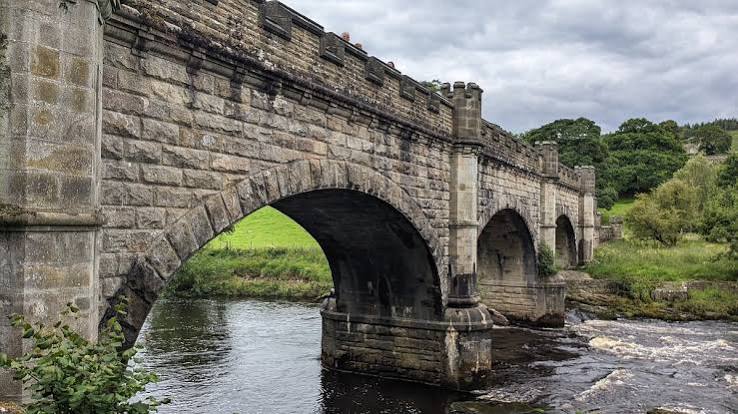

The River Wharfe, woodland and upland valley make this a very different proposition from the wetland reserves. Dipper, Grey Wagtail, Common Sandpiper, Goosander and woodland birds are possibilities, with Redstart and Pied Flycatcher particularly interesting in suitable habitat.
Accessibility: The riverside estate has some good paths but also rough/uneven sections, steps and slopes. The Barden Bridge area is considerably easier than attempting longer valley walks.
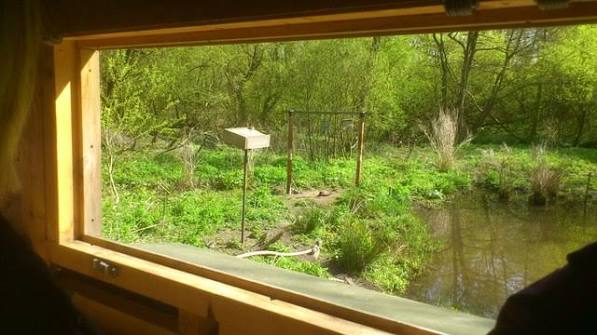

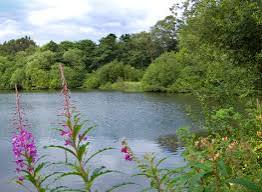
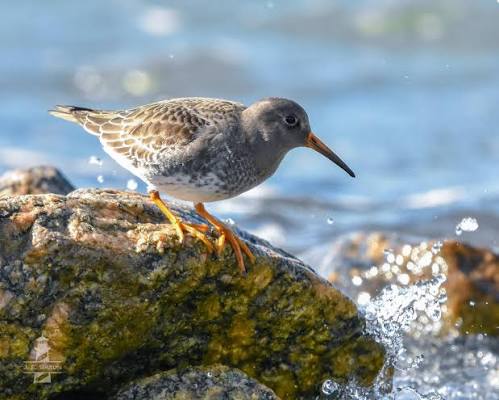
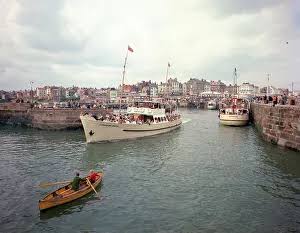
A useful coastal seawatching and harbour site. Gulls, Kittiwake, Cormorant, Shag and winter seaduck can be present, while the harbour can produce migrants and occasional scarce birds. It's particularly worth checking during easterly winds and coastal migration. My special bird here is Purple Sandpiper & Sanderling
Accessibility: Excellent compared with most natural coastal birding sites. Harbour promenades and roads provide relatively level access, although individual viewpoints can be busy.

One of Yorkshire's classic seabird and seawatching locations. The cliffs support enormous breeding colonies of Gannets, Guillemots, Razorbills, Kittiwakes and Fulmars. Puffin is possible, particularly around the Bempton/Flamborough complex, while migration can produce almost anything.
Accessibility: The lighthouse/car-park areas are comparatively easy, but cliff-top paths are uneven in places and some viewpoints involve grass and slopes. Keep well back from cliff edges


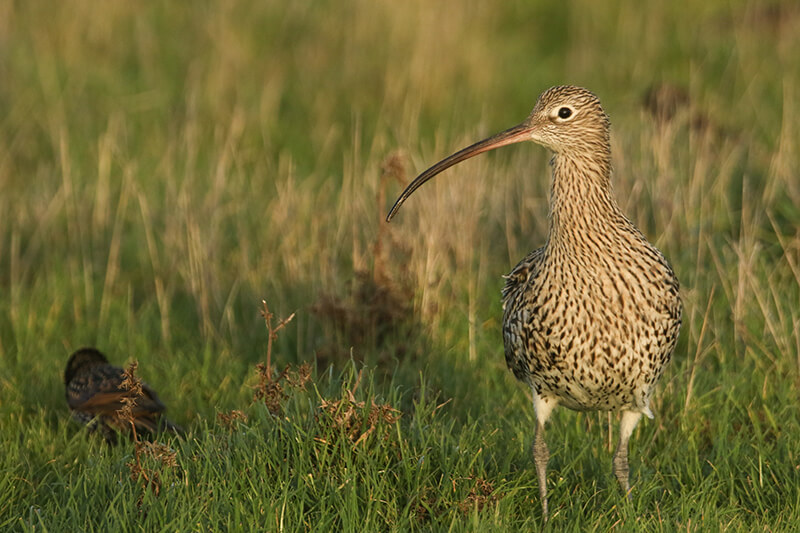
Open moorland and heath, best approached as an upland birding site rather than a conventional reserve. Look for Meadow Pipit, Skylark, Curlew, Red Grouse, Wheatear and, at the right time, Ring Ouzel and migrant passerines.
Accessibility: Limited. Some access roads and easier paths are manageable, but much of the moor is rough, rocky and uneven. Wet weather can make paths particularly difficult
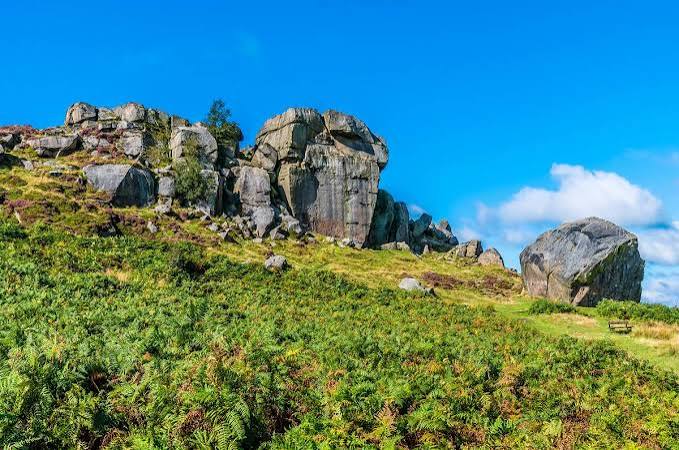
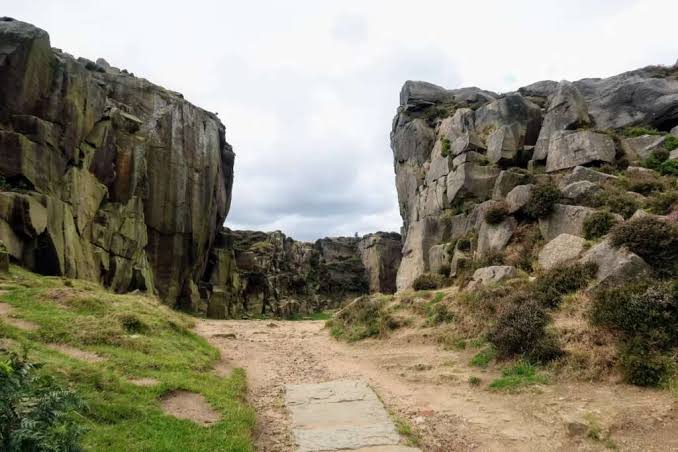
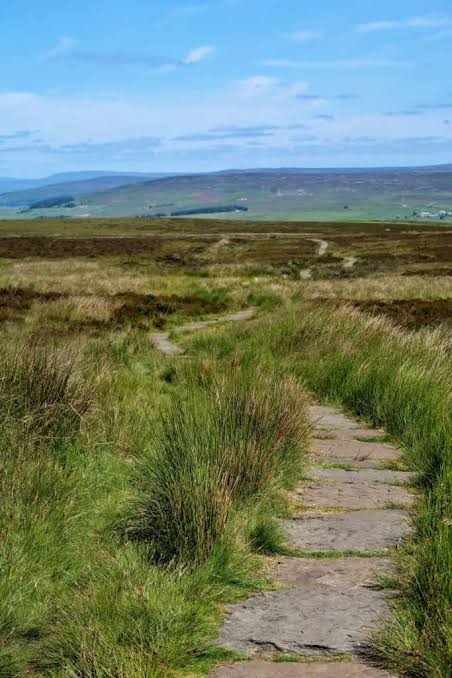
A good base for exploring North York Moors upland habitat, particularly around the Esk Valley and surrounding moorland. Expect Curlew, Meadow Pipit, Skylark, Wheatear and moorland species, with migration providing additional interest. I got Whinchat and A Grey Shrike there some years ago, withinn minutes of each other.
Accessibility: Moderate to poor. This is countryside birding rather than a purpose-built reserve. Expect rough tracks, gradients and potentially boggy ground.
A quieter river and farmland birding location around the Wharfe. It can be productive for Kingfisher, Grey Wagtail, Dipper, Common Sandpiper and general farmland species, particularly when the river level and conditions are favourable.
Accessibility: Mostly public footpaths and countryside tracks; not a dedicated accessible reserve. Some paths become muddy.


One of the great Yorkshire Dales landscape sites, combining limestone cliffs, upland grassland, woodland and streams. Peregrine is the headline bird around Malham Cove, with Dipper, Ring Ouzel, Wheatear, Redstart and upland species possible depending on season.
Accessibility: Surprisingly good for a Dales site if you concentrate on the village/visitor-centre area. An all-terrain powered wheelchair can be hired free, enabling access along the 1.5-mile Miles Without Stiles route towards Malham Cove. Beyond that route, the terrain becomes considerably more demanding.


One of the best all-round wetland sites in Yorkshire. Former quarry workings have become lagoons, reedbeds, wet grassland and islands. Excellent for waders and wildfowl, with Bittern, Bearded Tit, Marsh Harrier, Avocet and scarce migrants among the possibilities. My first Glossy Ibis was here and many others, Well rum and well managed for wildlife, This really is a jewel in the crown of Yorkshire Wildlife Trust.
Accessibility: Very good. Most paths are flat, and three/four hides are wheelchair accessible depending on the hide. There are two accessible toilets and disabled parking. The grass sections can become muddy in winter


A superb wetland and former gravel-quarry complex near Ripon. Expect waders, wildfowl, gulls, terns and passage migrants, with the surrounding habitats adding raptors and passerines.
Accessibility: Good. The reserve has about 1.5 km of wheelchair-accessible permissive paths, wheelchair access to the interpretation building/bird hide and Tanfield Hide, plus an accessible viewing screen. There are no toilets/refreshments at the main reserve, although facilities exist at the quarry visitor centre.


A large urban country park with lakes, grassland and wetland edges. A useful year-round site for wildfowl, gulls, waders and general waterbirds, and often productive after weather movements.
Accessibility: Good around the main country park. Paths around the lakes are generally level, although conditions can become wet. Some peripheral areas are less suitable for wheelchairs.


A restored wetland/grassland site beside the River Ure, with good potential for waders, wildfowl, raptors and passage migrants.
Accessibility: Paths are flat but mainly gravel, which YWT specifically says can make access difficult for wheelchairs and buggies. RADAR-key holders can drive to two disabled parking bays. Flooding can temporarily close the reserve.


A particularly good urban wetland reserve on the River Aire and Leeds & Liverpool Canal. Waders, wildfowl, Kingfisher, passerines and migrants make it well worth repeated visits.
Accessibility: Excellent. There is a tarmac approach, accessible toilet, disabled parking and ramped access. Multiple hides have ramps and wheelchair viewing positions, while several paths are hard-surfaced.


Arguably the quintessential Yorkshire seabird cliff. Huge numbers of Gannets, Guillemots, Razorbills, Kittiwakes and Fulmars breed here. Puffins, Short-eared Owls and migrant passerines add variety.
Accessibility: Good at the main reserve area, with accessible facilities and viewpoints, although the cliff-top paths themselves can be exposed and uneven. RSPB specifically lists Bempton among its reserves with accessible facilities.


One of Yorkshire's classic reedbed reserves. Avocet, Marsh Harrier, Bittern, Bearded Tit, Cetti's Warbler, waders and winter wildfowl are major attractions.
Accessibility: Very good. Six of the wildlife-viewing hides have wheelchair spaces; several are level-entry. There are accessible parking spaces and an accessible toilet, and a wheelchair is available to borrow.


A major wetland complex and one of Yorkshire's most versatile birding sites. Wildfowl and waders dominate, but woodland, scrub and reedbed provide a long list of passerines and raptors.
Accessibility: Very good, but route-dependent. The 500 m Discovery Trail is flat, firm and suitable for wheelchairs and pushchairs. Several hides have level access or ramps. Some longer trails are undulating, muddy or unsuitable for wheelchairs.


A superb purpose-built wetland reserve with lagoons, reedbeds, wet grassland and woodland. Excellent for waders, wildfowl, Bittern, Marsh Harrier, owls and passerines.
Accessibility: Excellent. Paths are hard-surfaced and largely flat, hides have ramps, there are accessible toilets and six Blue Badge spaces, and three mobility scooters are available free of charge if booked in advance


A spectacular former open-cast mining landscape converted into wetland and grassland. Large open views make it particularly good for raptors, wildfowl, waders and large flocks of birds.
Accessibility: The visitor-centre facilities are accessible, including an accessible toilet with level access. The reserve itself is more open and variable underfoot, so individual trails should be checked before setting out.


A North York Moors reservoir with open water, woodland, heath and surrounding moorland. Waterbirds are the obvious attraction, while the wider area is useful for upland species and migration. If I'm honest, not my favourite place, and I understand that many people love it. The surrounding area to the north is absolutely fantastic and can be very productive for woodland birds.
Accessibility: Moderate. The reservoir viewpoint/car-park areas are relatively straightforward, but longer circuits and moorland tracks can be rough. In my opinion even in early Autumn can be impassable, howver I have a skewed view of the place. So in my opinion, the drive there is better than the destination, take a picnic, eat your picnic on one of the many picnic benches. Lift your camera or camera phone to your eye and do not press the shutter, job done.


A superb coastal migration trap at the mouth of the Tees. Dunes, scrub, saltmarsh, beach and rocky shoreline make this one of the places where almost anything can turn up during migration. This place turns your head, really makes you think, it's a spectacular landscape under place, I escape to time after time after time. Once you go, you never stop going and every time you go you see something different. There is every habitat that you can imagine here. It is the place I have written about the mast and photograph the most.
Accessibility: Limited. The car park and main access are straightforward, but birding the point involves sandy, rocky and uneven ground. A good site for mobile birders but challenging for wheelchairs


A quieter South Yorkshire countryside birding location, best treated as a local patch-style site. Farmland, scrub, hedges and wet areas can produce a useful mixture of passerines, raptors and seasonal migrants.
Accessibility: Variable/limited. This is not a purpose-built visitor reserve; expect countryside paths and tracks which can become muddy.


A small but interesting riverine wetland beside the Don. Waterbirds, waders and passerines are the main attractions, with migration providing the possibility of something more unusual.
Accessibility: Generally easy for a short visit, with parking close to the reserve, but some paths are natural-surface and can become muddy.


The premier migration site on the Yorkshire coast and one of Britain's great birding locations. The peninsula's position funnels migrants through the area. Seabirds, waders, warblers, thrushes, raptors and genuine rarities are all possibilities.
Accessibility: The Discovery Centre and immediate area are accessible, but much of the peninsula is sandy, shingly or uneven. The Point itself is not suitable for all mobility needs. The site can also be very exposed in poor weather


A former gravel extraction area now comprising lagoons, reedbeds, wet grassland and scrub. Particularly good for wildfowl, waders and wetland passerines, with Kingfisher and seasonal migrants possible. Staveley is a nice place to visit, take a flask and soak it all in.
Accessibility: Moderate. Some paths are reasonably firm, but this is a natural reserve rather than a fully surfaced accessibility site. Wet weather can make the paths difficult although much improved in the last 12 months.


A classic River Derwent floodplain wetland, particularly interesting for winter wildfowl, waders and floodplain birds. Flooding is part of the ecology and can dramatically change the birding conditions.
Accessibility: Variable. Some access is straightforward, but natural paths and seasonal flooding mean this isn't an all-year wheelchair-friendly reserve. Check conditions before travelling.


A quick accessibility guide
If accessibility is important,
SiteAccessibility
Old Moor🟢 Excellent
Rodley🟢 Excellent
North Cave Wetlands🟢 Very good.
Blacktoft Sands🟢 Very good.
Fairburn Ings🟢 Very good on selected trails.
Nosterfield🟢 Good. Sutton Bank🟢 Good on designated routes.
Adel Dam🟢 Good to first hide.
Malham🟢 Good with accessible route/equipment.
Bempton Cliffs🟢 Good around main viewpoints.
Ripon City Wetlands🟠 Flat but gravelly.
St Aidan's🟠 Reasonable, route-dependent.
Pugneys🟠 Generally good.
Staveley🟠 Moderate.
Tophill Low🟠 Moderate.
Wheldrake Ings🟠 Variable.
Sprotbrough Flash🟠 Short/easier visit.
Dalby Forest🟠 Visitor centre good; forest variable.
Bridlington Harbour🟢 Easy
Flamborough🟠 Viewpoints good; cliffs/pathways variable.
Bolton Abbey🟠 Route-dependent.
Scaling Dam🟠 Route-dependent.
Wykeham🟠/🔴 Rough forest tracks.
Kirkby Wharfe🟠 Countryside paths.
Kildale🔴 Moorland terrain
Ilkley Moor🔴 Rough/rocky.
South Gare🔴 Sand/rocks/uneven ground.
Spurn Point🔴 Much of peninsula difficult.
South Kirby🟠 Countryside/rough paths
One important point: accessibility here means physical access for walking/wheelchairs, not whether the site is easy to bird. A site such as Spurn may be exceptionally accessible at its visitor centre while being extremely challenging if you want to explore the whole peninsula.
'The information above is based where available on current reserve/operator information; for example, RSPB's current information confirms the extensive accessible provision at Blacktoft, Fairburn and Old Moor, while YWT provides particularly useful access details for North Cave, Ripon City Wetlands and Adel Dam'.
A useful next step
Comming soon
📍 exact parking/location
🅿️ parking information
♿ detailed wheelchair/mobility accessibility
🥾 approximate walking distance
🐦 best birds to look for
📅 best months/seasons
🌅 best time of day
🔭 best viewpoints/hides
🐕 dog restrictions
🚻 toilets/café
💷 admission/parking charges
🗺️ a birding route/map
📷 several representative photographs
⭐ a list of target species and likely species
🚗 approximate driving time between sites